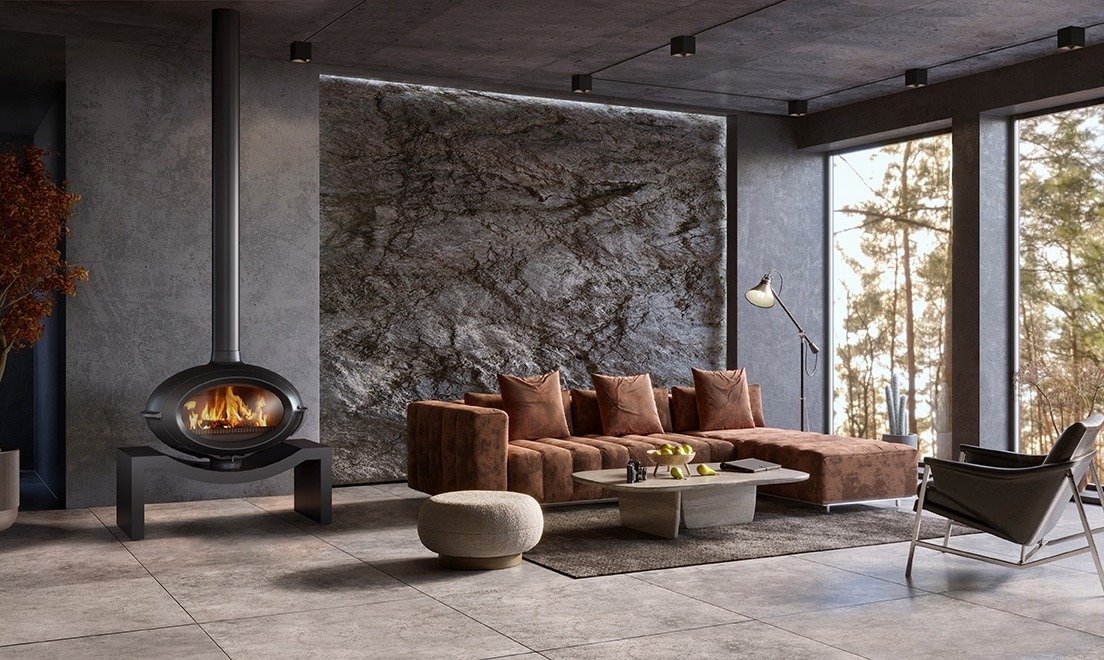
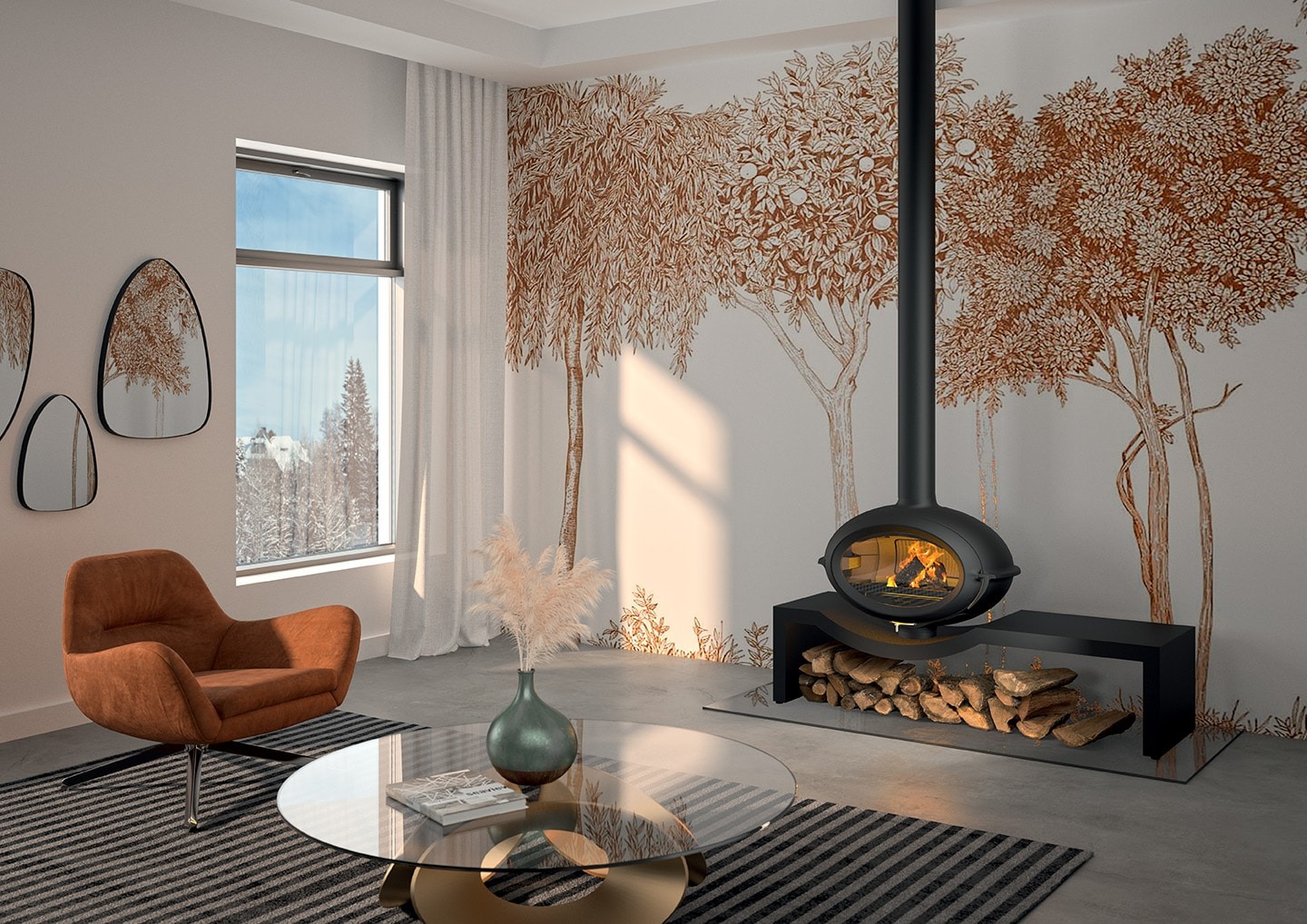
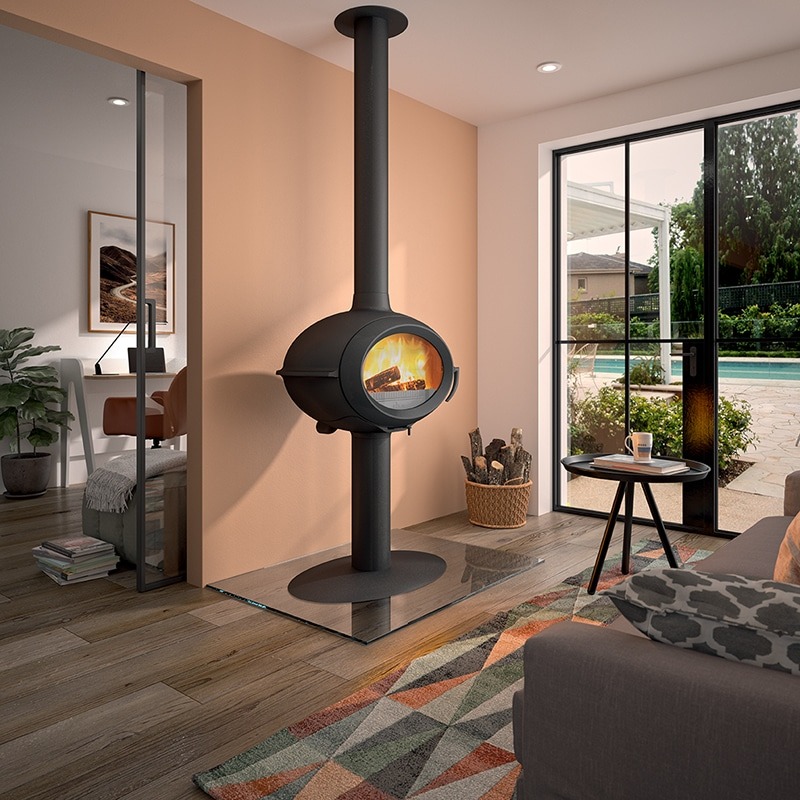
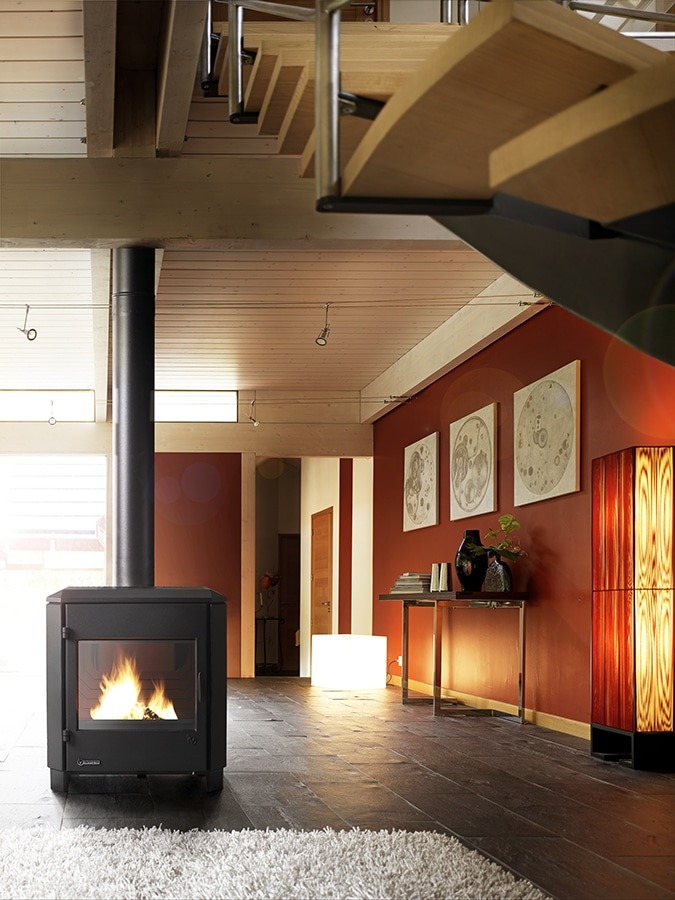
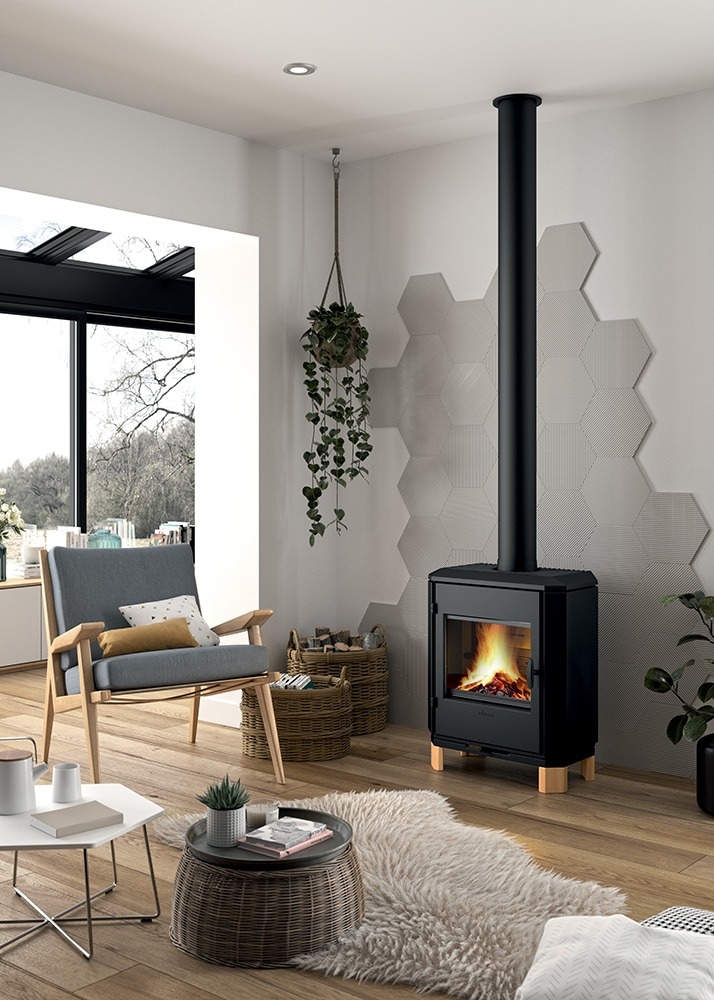
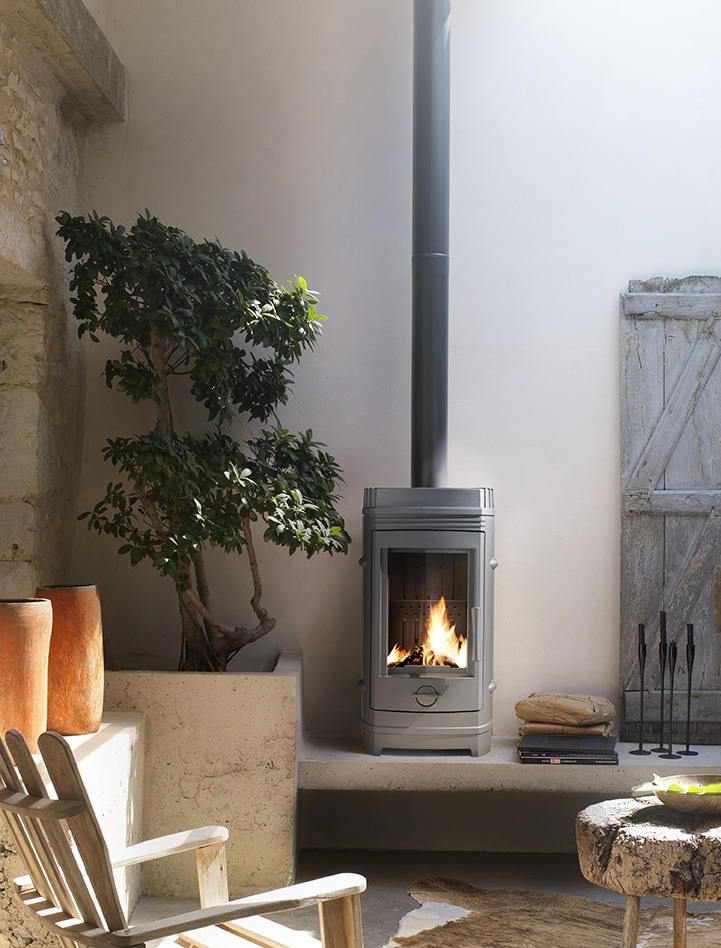
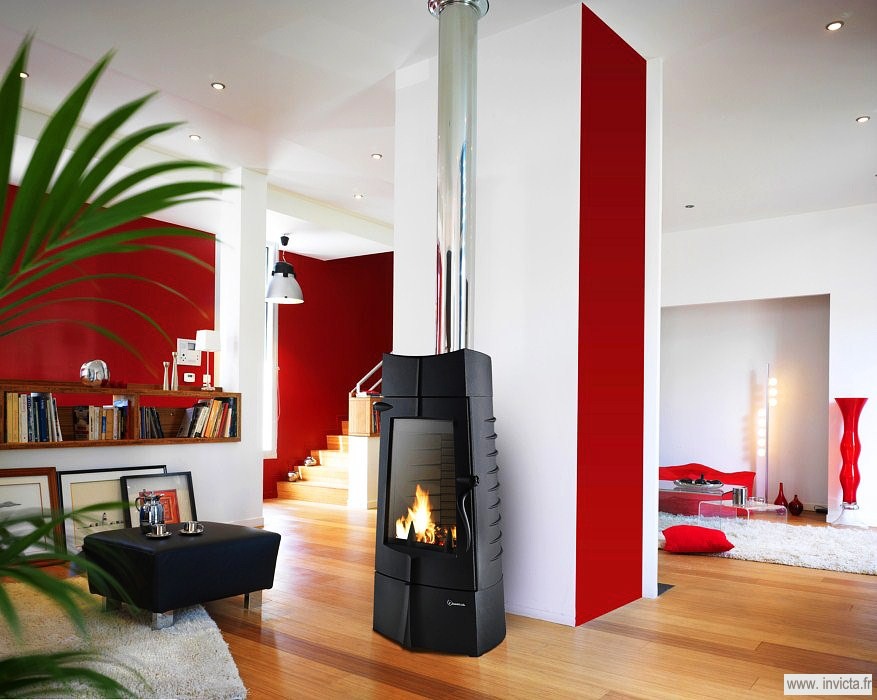
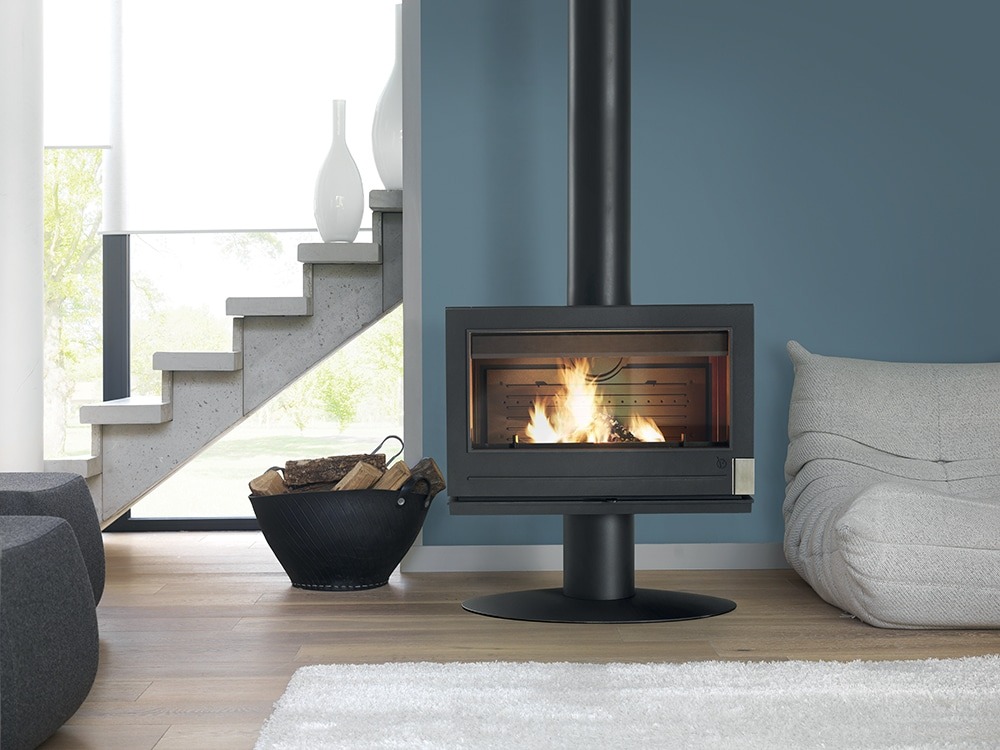
Because cast iron gives heat quickly and holds it for a long time, a cast-iron stove is often more practical than a fireplace in small and medium-sized spaces.
Alongside domestic and imported models you can source flue pipes, elbows and guards from us at the same time.
Why cast iron?
Unlike sheet steel, cast iron stores heat in its body. It keeps radiating warmth for a while after the fire has gone out, which slows the room cooling overnight. Cast iron also resists burning and deformation far better and, used correctly, lasts for decades.
Points to watch during installation
- Position the stove at least 80–100 cm from combustible surfaces.
- Run the flue pipe with an upward slope and use as few elbows as possible.
- Even the most efficient stove will smoke if the flue draught is poor; check the flue before installation.
- Having the flue swept at the start of each season improves both efficiency and safety.
Frequently Asked Questions
How large an area will a cast-iron stove heat?
It depends on the kW rating. A 6–8 kW cast-iron stove will comfortably heat 60–80 m² of well-insulated space. In poorly insulated rooms or those with high ceilings that figure drops.
What fuel should be used?
Dry hardwood with a moisture content below 20% is the most efficient fuel. Wet wood gives little heat and causes tar to build up in the flue. Painted or treated timber must never be burned.
Do you supply flue pipes and accessories?
Yes. Flue pipes, elbows, cowls and guards are available under Stove Accessories, and our team can carry out the installation.